Can Period Panties Be Worn Overnight?
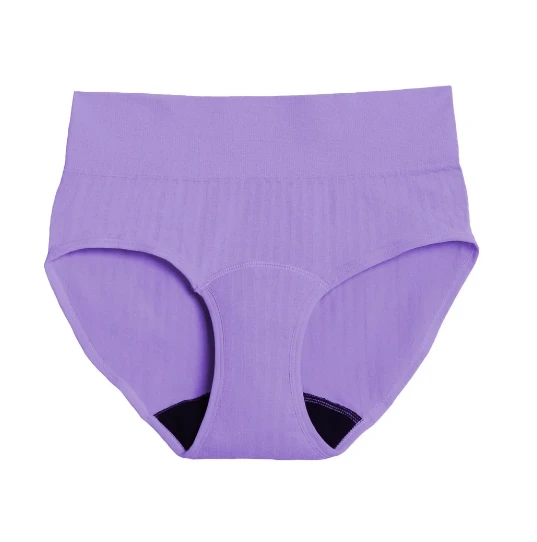
Can period panties be worn overnight? Yes, they can be worn during sleep when the absorbency level matches menstrual flow. Most period underwear uses multiple fabric layers to absorb fluid and reduce leaks, and some overnight designs extend protection farther toward the back and front. A typical sleep period lasts about 7–9 hours, so choosing a pair rated for longer wear is important. Studies and product evaluations show that absorbency differs widely between brands, with some designs holding several teaspoons of fluid while others are intended mainly for light flow or backup use.
Period panties can be worn overnight because they are designed to function as reusable menstrual protection. Unlike disposable pads that sit on top of underwear, these garments integrate absorbent materials directly into the gusset area. The inner layer helps move fluid away from the skin, the middle layers store menstrual fluid, and the outer layer helps reduce leakage onto clothing or bedding.
A person sleeping 8 hours needs different protection from someone wearing underwear for only 2–3 hours during the day. Menstrual flow is not always evenly distributed across the cycle. Many people experience their heaviest bleeding during the first 1–2 days, when overnight protection requires higher capacity.
| Flow level | Suitable overnight option |
|---|---|
| Light spotting | Light absorbency period panties |
| Moderate flow | Medium or overnight absorbency styles |
| Heavy flow | High-capacity designs with extended coverage |
The construction of period panties determines how well they perform during sleep. A pair made for overnight use usually has a wider absorbent panel, more fabric layers, and stronger moisture management compared with lightweight daily styles.
“A product designed for daytime comfort may not provide the same protection during a full night of sleep.”
A 2025 review of period underwear products found that different designs vary significantly in absorbency, comfort, and intended use. Some products are marketed for light days, while others are designed for heavier flow and overnight wear.
The length and position of the absorbent area affect overnight performance because sleeping changes how menstrual fluid moves. When lying down, fluid may travel toward the back for back sleepers or toward the front for stomach sleepers. A short absorbent section may leave unprotected areas even if the center portion has not reached its full capacity.
Many overnight styles extend the absorbent section several inches farther than regular underwear. This design approach is similar to overnight menstrual pads, which are often longer because body position changes during sleep.
The fit of the underwear also affects protection. Period panties should sit close enough to keep the absorbent section in contact with the body without creating pressure around the waist or legs.
Important fit points include:
- The waistband should remain stable during movement.
- Leg openings should sit flat against the skin.
- The gusset should stay centered while sleeping.
- The fabric should allow airflow to reduce dampness.
A 2023 review on menstrual hygiene noted that menstrual products need to balance comfort, cleanliness, and access because users have different preferences and needs.
The maximum wearing time depends on absorbency, flow amount, and product instructions. Many reusable period underwear products are designed for extended use, but they should not be treated as unlimited protection.
A person with light flow may comfortably wear the same pair through an 8-hour night. Someone with heavy bleeding may need a higher absorbency style or a change during the night.
| Situation | Possible approach |
|---|---|
| Light flow during the final days | One fresh pair overnight |
| Average flow | Overnight-rated period panties |
| Heavy first-day flow | High absorbency plus backup option if needed |
The amount of menstrual fluid varies between individuals. Research published in 2023 and later discussions around menstrual product testing have shown that measuring actual absorbency can be complicated because products may perform differently depending on fluid type and testing methods.
When choosing period panties for sleeping, the absorbency label should match personal needs rather than selecting a product based only on appearance or thickness.
A thinner pair may feel more similar to regular underwear but may store less fluid. A thicker overnight design may provide more protection but can feel warmer or heavier.
The material composition also influences comfort. Common fabrics include cotton blends, synthetic moisture-wicking textiles, and microfiber absorbent layers. Each material affects drying time, softness, and how quickly fluid moves away from the skin.
| Feature | Why it matters overnight |
|---|---|
| Moisture-wicking layer | Helps reduce wet feeling |
| Absorbent core | Stores menstrual fluid |
| Leak-resistant layer | Helps protect bedding |
| Breathable fabric | Improves sleeping comfort |
Washing habits influence how well period panties perform over time. Most manufacturers recommend rinsing or washing according to care instructions, often using cooler water and avoiding products that may affect fabric performance.
Fabric softeners can leave residues that reduce absorbency in some technical fabrics. High heat may also affect elastic materials used for stretch and fit.
A reusable pair that is washed correctly can maintain its performance across many cycles. However, wear, repeated washing, and fabric breakdown can gradually affect absorbency.
Overnight use is also different from wearing period panties during exercise or daily activities. During the day, a person may notice saturation earlier and change more easily. During sleep, the longer uninterrupted period requires better matching between product capacity and flow.
For people who normally use tampons, period panties can provide another overnight option because they do not involve internal insertion. Health organizations and medical experts commonly recommend following product instructions and changing menstrual products within recommended time limits.
Common reasons for overnight leaks include:
- The absorbent area is too small.
- The product capacity is lower than the user’s flow.
- The underwear size allows movement away from the body.
- The garment was already partially saturated before bedtime.
Testing a new pair during a lighter night can help determine whether the design fits personal needs before relying on it during heavier bleeding.
Period panties may also reduce dependence on disposable menstrual products. Since they are washable and reusable, many users choose them as part of a longer-term menstrual care routine. Period underwear is specifically designed as reusable absorbent underwear rather than a single-use product.
For overnight use, owning several pairs can make rotation easier. A person who sleeps in period panties throughout a 5–7 day cycle may need enough pairs to account for washing and drying time.
A practical rotation may include:
- 2–3 pairs for occasional overnight use.
- 5–7 pairs for regular use during an entire cycle.
- Additional high-absorbency pairs for heavier nights.
The best overnight choice depends on individual bleeding patterns, sleep habits, preferred fabrics, and laundry routines. A person with light flow may need a different design from someone who experiences heavier bleeding during the first days of menstruation.
Period panties can be worn overnight when the product’s absorbency, coverage, and fit match the wearer’s menstrual flow. Choosing the right style, starting with a clean pair, and following care instructions can improve comfort and reduce the chance of leaks during sleep.